


How to Ride an E-Bike in the Rain: Safety, Braking, and Post-Ride Care
WET-WEATHER RIDING
More space. Smoother braking. Better visibility.
6 min read · TONNERREY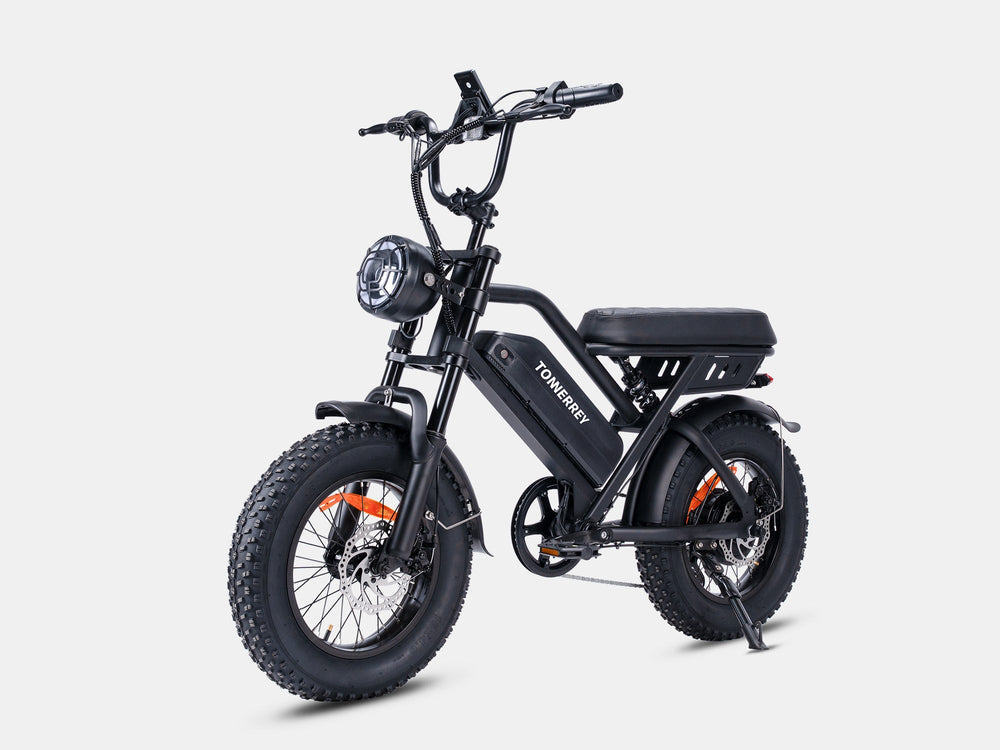
Wet roads call for a different riding plan
A light shower may not always mean you need to cancel a ride, but wet roads change how an electric bike handles. Painted road markings, metal covers, wet leaves, and standing water can reduce grip. Rain and road spray can also make it harder for drivers and cyclists to see one another.
Before riding, check the weather, your route, and the operating guidance for your exact e-bike. The safest wet-weather strategy is to slow down, make deliberate decisions, and give yourself more room to react. Use this checklist before, during, and after a rainy ride.
1. Decide whether conditions are suitable
Check the forecast and look at the route before you leave. Light rain on familiar streets may be manageable for an experienced rider when the bike’s manual permits the conditions and the brakes, tires, and lights are in good order. Heavy rain, thunderstorms, flooding, ice, or severely reduced visibility are reasons to postpone the trip or choose another form of transportation.
Avoid riding through floodwater or deep puddles. Water can hide potholes and debris, and it may reach electrical components. Do not assume an e-bike is waterproof simply because it is designed for outdoor use. Check the manufacturer’s instructions and warranty terms.
2. Brake earlier and more smoothly
Wet conditions can increase stopping distance. Start slowing down earlier than you would on a dry road, apply the brakes progressively, and avoid sudden hard braking while turning. Leave more space between yourself and vehicles, pedestrians, and other cyclists.
Before every ride, check that both brakes respond normally. If a lever feels unusually soft, braking power has changed, or you hear persistent scraping or grinding, stop and have the system inspected. Do not attempt a repair you are not qualified to perform.
3. Watch for slippery road surfaces
Some surfaces become especially slick when wet. Watch for painted lines, metal utility covers, drainage grates, railway tracks, wet leaves, polished stone, and oily patches. Slow down before reaching these areas. Keep the bike as upright as practical, avoid abrupt steering, and try not to brake hard while crossing a slick surface.
Check tire condition before you go. Look for cuts, embedded debris, and signs of excessive wear, and use the pressure range recommended for your exact bike and tire. Do not copy a pressure setting from another model: tire size, rider load, and manufacturer guidance all matter.
4. Make yourself easier to see
Rain and road spray can make riders less visible even during the day. Use your front and rear lights when visibility is poor, wear bright or reflective clothing, and make your intentions clear before turning or changing position. Keep both hands available for control and avoid looking at a phone while moving.
The TONNERREY product pages list front LED lighting and rear turn-signal lighting on the T8 and T16. Check that the lights are clean, working, and visible before every trip. Built-in lighting is helpful, but it does not remove the need to ride defensively.
5. Keep your speed and route conservative
Choose a familiar route with smoother pavement and fewer high-speed intersections when possible. Reduce speed before corners, leave extra room around parked cars, and be particularly cautious near bus stops, driveways, and places where vehicles may turn across your path. Avoid sudden changes in direction on wet or debris-strewn pavement.
If wind, spray, traffic, or poor visibility makes it difficult to maintain control, stop somewhere safe and reassess. Walking the bike or choosing not to ride is a sensible decision when conditions exceed your comfort level.
6. Clean and dry the bike after the ride
When you arrive, wipe water and road grime from the frame, fork, wheels, and other exposed surfaces. Pay attention to the drivetrain and brake area, but do not apply oil or cleaner to the brake pads or rotor. Use a soft cloth and the cleaning method allowed in your owner’s manual. Avoid high-pressure washing and do not direct water at the battery, motor, display, or electrical connections.
Let the bike dry in a sheltered place before storing it. Check that the battery and charging-port area are dry before charging. Do not charge a wet or damaged battery. If you notice water intrusion, electrical warnings, unusual noises, or changes in braking, contact a qualified service professional before riding again.
7. Know what the product information does—and does not—say
The TONNERREY T8 product page lists 20 × 4.0-inch tires, front and rear disc brakes, a front LED light, and a rear turn-signal lamp. The T16 page lists 16 × 4.0-inch tires, front and rear disc brakes, a front LED light, and a rear turn-signal lamp. These details help you understand each bike’s equipment, but no tire or lighting setup removes the need to adjust for wet road conditions.
Do not assume the T8 or T16 is waterproof or suitable for all-weather use. Check the water-resistance limits in the owner’s manual for your exact model. TONNERREY’s published warranty information also states that water damage to the battery is not covered. Check the current owner’s manual and warranty terms for the exact model before riding in wet conditions.
Rainy-day checklist
- Check the forecast, route, and owner’s manual; skip rides in flooding, thunderstorms, ice, or unsafe visibility.
- Inspect tire condition, tire pressure, brakes, and lights before departure.
- Slow down and brake earlier, using smooth inputs.
- Avoid wet leaves, painted lines, metal covers, rails, and standing water.
- Wear visible or reflective clothing and use working lights.
- Wipe the bike dry after the ride; keep high-pressure water away from electrical parts.
- Do not charge a wet or damaged battery; follow the owner’s manual.
Frequently asked questions
Can I ride an e-bike in light rain?
That depends on your bike’s manual, the route, visibility, and your experience. Check the manufacturer’s limits, avoid standing water, and ride more slowly with extra stopping distance. Do not ride if conditions are unsafe.
Do fat tires make an e-bike safe on wet roads?
Wide tires are only one part of a bike’s setup, not a guarantee of grip. Tire condition, pressure, road surface, speed, and rider inputs all matter. Wet leaves, metal covers, and painted markings can remain slippery.
Is a TONNERREY e-bike waterproof?
Do not assume that it is. Check the water-resistance limits in the owner’s manual for your exact model. Follow the owner’s manual and current warranty terms, and keep the battery and electrical connections away from standing water.
Should I use a pressure washer after riding in the rain?
No. Use the cleaning method recommended in the owner’s manual. Avoid high-pressure water and do not direct water at the battery, motor, display, or electrical connections.
Ride patiently, then dry the bike
Wet-weather riding rewards patience. Give yourself more stopping room, make yourself visible, avoid slippery surfaces, and dry the bike when you get home. When the weather or road conditions are beyond your comfort level—or outside the limits in your owner’s manual—choosing not to ride is part of riding safely.
Prepare before the next ride
Review your model’s equipment and operating limits. Ask our team if you are unsure about charging, care, or wet-weather use.


